TL;DR: Homeowners often collect three renovation quotes to compare their options and feel confident about a major investment. You can compete without discounting by making your scope, process and pricing easy to understand, and showing exactly what your price includes.
Why homeowners get three quotes
Three quotes help homeowners see how different contractors understand the same project, what each price covers and who feels right to work with. The Government of Canada recommends meeting with several contractors and comparing estimates based on the same specifications. Your goal isn’t to be the cheapest number on the page; it’s to make your proposal the clearest, most credible choice.
If you run one or two crews and rely on word of mouth, a new estimate request can feel like an opportunity you can’t afford to lose. Then the homeowner says they’re “getting a couple more quotes,” and the pressure to shave off a few thousand dollars kicks in. But a lower price won’t fix a comparison where the homeowner doesn’t understand what they’re comparing.
A better estimate helps them understand the work, see how you’ll manage the disruption, and feel that you’ve thought through the details. That’s how you show you’re a professional before the first day on site.
What is the homeowner really comparing?
They’re comparing more than totals. They’re trying to answer: Will this contractor understand what we want? Will the project stay organized? What happens if something unexpected comes up?
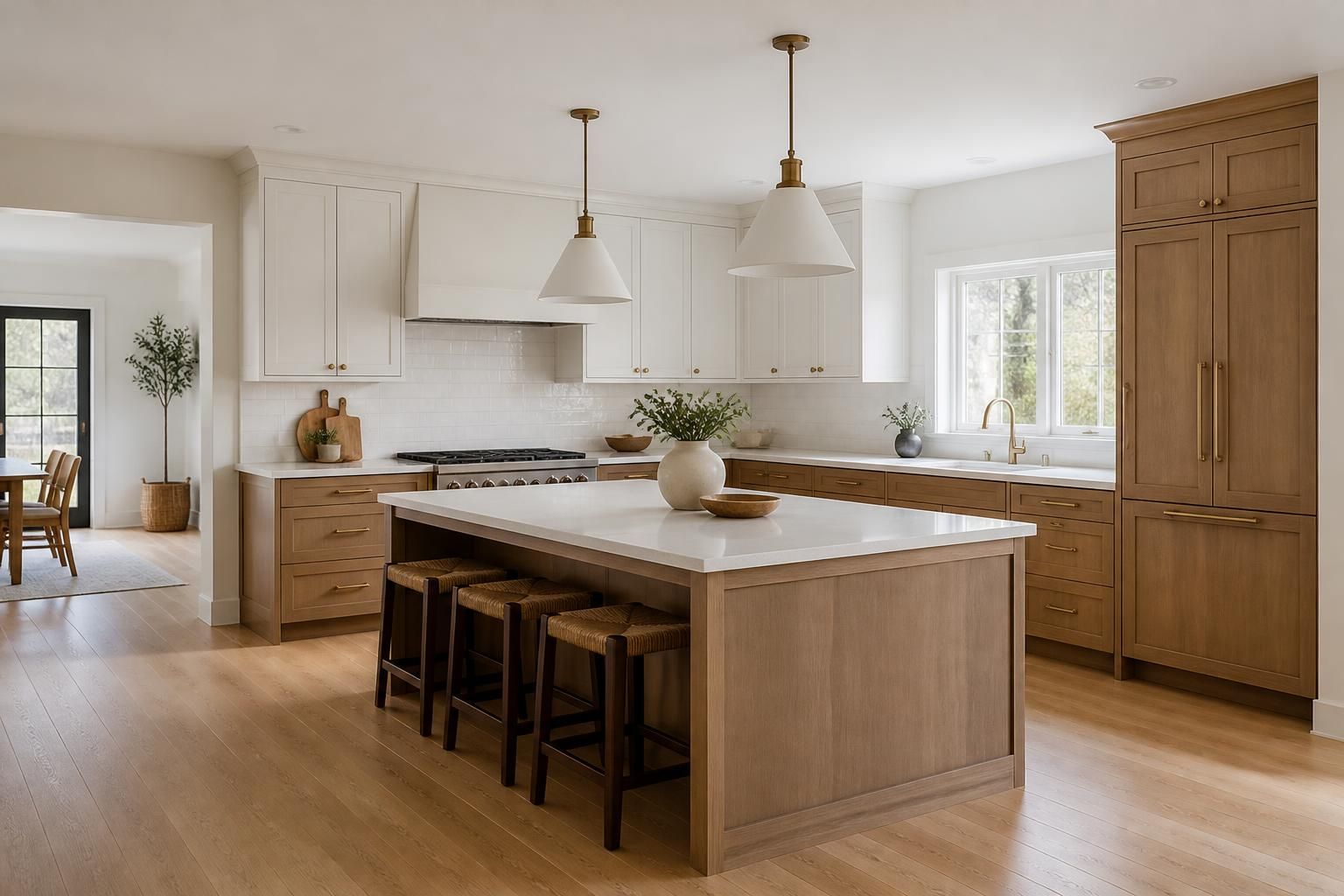
That matters on a kitchen or bathroom renovation, where the homeowner may be living around the work. A vague estimate can leave them wondering whether the contractor has missed something, or whether the final bill will grow once the room is opened up. A detailed, readable proposal removes some of that uncertainty.
The lowest quote can look appealing at first glance, but if it doesn’t explain the assumptions behind it, a homeowner has little to use to judge its value. The higher quote can feel safer when the contractor clearly explains the scope, material choices, schedule and responsibilities.
How can you make your scope easy to compare?
Describe the job in terms the homeowner can picture. Instead of “kitchen remodel,” clarify which parts of the project your price covers and what the finished result is expected to include.
For example, a kitchen estimate might address:
- Which areas are being renovated and what is staying in place
- Demolition and disposal included in your work
- Cabinet, countertop, flooring and finish selections, or the allowances used if selections are not final
- Preparation and installation work included
- Who is responsible for ordering materials, permits and coordinating other work
- Site protection, cleanup and the expected condition of the home at the end of the day
You don’t need to list every task at microscopic detail. You do need enough detail that a homeowner can see whether two proposals describe the same job.
Be just as clear about what is not included. If the homeowner expects an appliance, upgraded tile or repair to an area outside the agreed scope, say so before the proposal is accepted. It’s easier to have that conversation at the table than when the homeowner sees a change in cost mid-project.
The Government of Canada’s home renovation guidance recommends comparing estimates made to the same specifications and checking that they outline the project and costs. That’s useful guidance for both sides: a quote is easier to assess when everyone is pricing the same work.

How do you explain why your price is your price?
Tie the cost to the work and choices behind it. If your bathroom proposal is higher because it includes a specific tile installation, more complete preparation or a different finish allowance, point that out in plain language. Avoid expecting the homeowner to decode a total or assume they’ll understand what makes your approach different.
A helpful explanation might sound like this:
“This price includes removing the existing tile, preparing the surface for the new installation, installing the tile you selected and removing the renovation waste. Your vanity and fixture selections are still open, so I’ve listed allowances for those separately.”
That’s not a sales pitch. It’s a straightforward explanation of what the number represents.
When a homeowner questions the total, ask what they’re comparing. They may have received another quote with a different product allowance or a shorter list of included work. You can then walk through the differences without criticising another contractor or immediately offering a discount.
If your estimate has allowances, explain what they cover and what happens if the final selection costs more or less. If site conditions could affect the work, say what you’ve assumed and how you’ll handle a change. Clear expectations help the homeowner feel informed instead of bracing for a surprise.
How can your process help you stand out?
A homeowner is inviting your crew into their home, often for weeks. A simple outline of how you plan and manage the renovation shows that you’ve considered more than the finished photo.
Explain the steps that apply to the specific project: confirming selections, preparing the work area, coordinating the job, keeping the homeowner updated and reviewing completed work. If there are decisions the homeowner needs to make before work begins, identify them. If the timeline depends on a selection or delivery, make that clear rather than promising a date you can’t control.
You don’t need a complicated process document. A short, project-specific outline can help the homeowner see what happens next and what you need from them. That small amount of clarity can separate your proposal from one that lists a price and leaves the homeowner to fill in the blanks.

How should you present the estimate?
Walk the homeowner through it instead of sending a total and hoping the paperwork speaks for itself. Start by confirming the project they described, then explain the scope, key assumptions, allowances, exclusions and next steps. Give them time to ask questions.
If there are meaningful choices, show them as clearly defined options. For example, you could separate the agreed base scope from a requested upgrade, with each option described and priced. That lets the homeowner make a decision based on priorities without asking you to quietly reduce the original scope.
Keep the language plain. “This allowance covers the flooring you choose up to the amount shown” is more useful than an unexplained line item. Likewise, point out which decisions are still open so the homeowner isn’t left thinking every selection has already been finalized.
For more on presenting an estimate clearly, see How Presenting Your Quote Can Make or Break the Booking Decision. The same principle applies to how homeowners first encounter your company: a landing page that turns ad clicks into booked calls can set clear expectations before you ever visit to discuss a project.
What if the homeowner still says another quote is cheaper?
Stay calm and find out whether the proposals match. Ask which part of your estimate feels different, or whether they’re comparing the same materials, preparation and included work. If there’s a genuine misunderstanding, clarify it. If the other quote includes less, let the homeowner make an informed comparison.
Don’t rush to discount just to keep the conversation alive. A price reduction without a corresponding change in scope can create doubts about your original estimate, or leave you committed to doing the same job for less. If the homeowner needs a lower-cost option, discuss a specific adjustment to the project that preserves clear expectations for everyone.
And remember: not every enquiry is a fit. This approach is not for handymen competing on small $3,000 jobs, property flippers focused only on the lowest cost, or DIYers looking for free project advice. It’s for a renovation contractor who does good work and wants homeowners to understand the value of hiring a professional for a substantial project.
Get more of the right renovation enquiries
Clear pricing helps you compete once a homeowner is comparing quotes. A steady flow of suitable enquiries means you’re less likely to feel that every price shopper is your only shot at keeping the crews busy. If you’re working on how to get more leads as a contractor, useful contractor marketing tips and digital marketing for contractors should help homeowners understand what you do and who you do it for before they request an estimate.
If you want to talk through a steadier flow of renovation enquiries, get in touch with Funky Moose Digital.
Key Takeaways
- Homeowners collect multiple quotes to compare options and feel confident about a major renovation decision.
- Make your scope, assumptions, allowances and exclusions clear enough to compare.
- Explain your price in terms of the work and choices it includes, not as a number to defend.
- Outline the project process so homeowners know what to expect in their home.
- If a quote is out of budget, discuss a specific scope change instead of discounting the same work.