TL;DR: Google Ads usually books contractor jobs faster because it reaches people actively searching for a solution, while Facebook and Instagram create demand, build trust, and keep your business visible until people are ready to hire. Start with Google when your schedule is open, add social once your core campaigns are producing, and judge both channels by cost per booked job rather than clicks or cheap leads.
The short answer
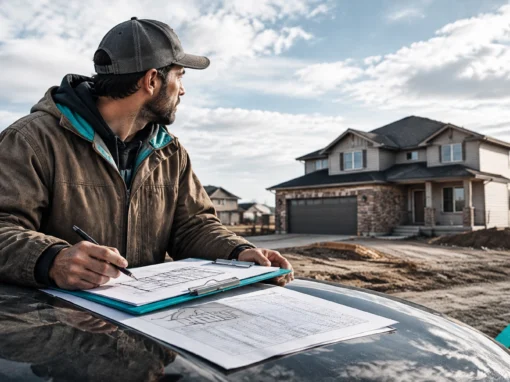
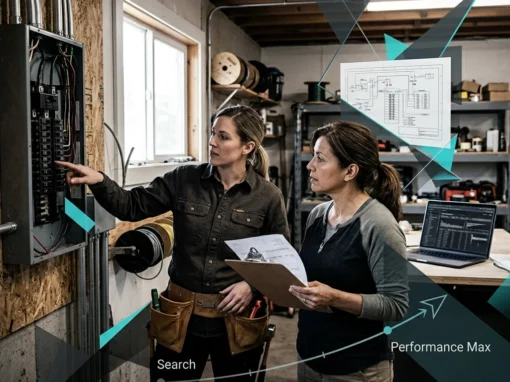
Start with Google when you need jobs soon. Search ads capture existing demand from someone looking for a plumber, electrician, roofer, landscaper, or renovation contractor right now. Facebook and Instagram are better for showing proof of your work, staying top-of-mind, and remarketing to people who visited your website but were not ready to call. The strongest digital marketing for contractors usually uses Google as the demand-capture channel and social as the trust-building and follow-up channel.
What is the difference between Google Ads and Facebook Ads?
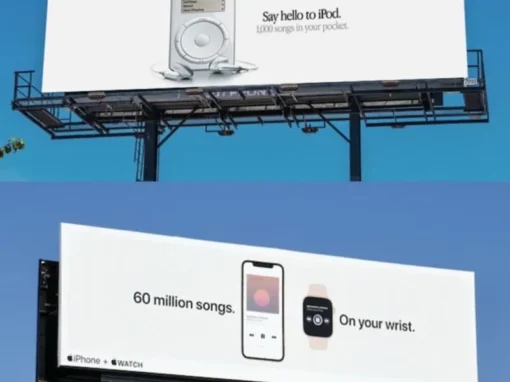
The simplest difference is intent versus interruption.
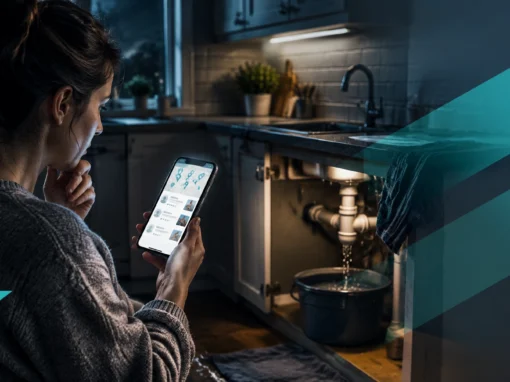
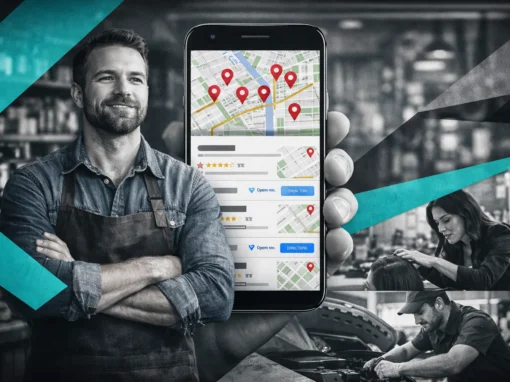
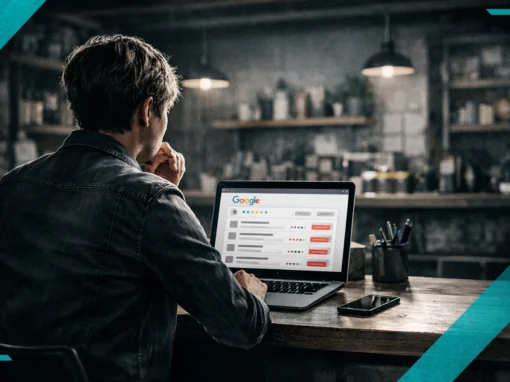
Google Ads puts your business in front of someone who has already taken action. They might search “emergency HVAC repair,” “deck builder near me,” or “commercial electrician in Saskatoon.” Their problem is active, and they are looking for options.
Facebook and Instagram ads appear while people are doing something else. They might be checking local news, watching a video, or scrolling through photos. Your ad interrupts that activity with a useful idea, a visual result, or a reason to consider your service.
That makes each platform useful at a different point in the buying journey:
- Google captures existing demand.
- Facebook and Instagram create or develop demand.
- Google is usually faster for urgent jobs.
- Social is often stronger for planned, visual, or higher-ticket projects.
This distinction applies beyond the trades, too. A local auto repair shop can use Google to reach someone searching for brake repairs, while Instagram can show a clean shop, customer reviews, and maintenance tips to drivers who are not ready to book today.
For a broader comparison of how the two platforms differ, see this Google Ads and Facebook Ads overview from Forbes.
When should contractors choose Google Ads?
Google Ads is usually the better first choice when you need your next few jobs quickly.
Why does Google usually book jobs faster?
Searchers are already raising their hands. They have a problem, a project, or a deadline, and they are looking for a company that can help.
That is especially valuable for services such as:
- Emergency plumbing
- Furnace or air conditioning repairs
- Electrical troubleshooting
- Roof leak repairs
- Tree removal
- Junk removal
- Water damage restoration
- Appliance repair
Someone searching “furnace repair near me” is further along than someone who sees a Facebook post about furnace maintenance while scrolling. The Google searcher may still compare two or three businesses, but the need is already real.
That does not mean every Google click is valuable. Poor targeting can still bring in people outside your service area, DIY researchers, job seekers, or customers looking for a service you do not offer. Effective Google Ads for contractors requires accurate location targeting, negative keywords, relevant ad copy, and a clear next step.
What should contractors measure on Google?
Do not stop at cost per click or cost per lead. Track:
- Ad spend
- Calls and form submissions
- Qualified leads
- Estimates or consultations booked
- Jobs won
- Revenue and profit from those jobs
The most useful calculation is:
Cost per booked job = total ad spend ÷ number of jobs booked
For example, imagine two campaigns each spend $1,000:
- Campaign A produces 20 leads and books two jobs.
- Campaign B produces 10 leads and books four jobs.
Campaign A has more leads, but its cost per booked job is $500. Campaign B has fewer leads, but its cost per booked job is $250.
That is why a more expensive lead can be the better lead. Our guide on why cost per booked job matters breaks down the difference between cheap leads and profitable customers.

When should contractors choose Facebook and Instagram ads?
Facebook and Instagram become more valuable when your service needs to be seen before it is searched for.
Why does social work well for planned projects?
Some jobs are not emergencies. Homeowners may think about them for weeks or months before requesting a quote.
Examples include:
- Kitchen and bathroom renovations
- Roofing replacements
- Fences and decks
- Landscaping and hardscaping
- New windows and siding
- Exterior painting
- Custom cabinetry
- Commercial improvements
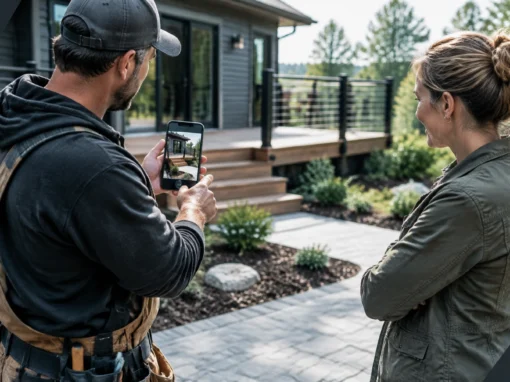
A before-and-after video, a quick project walkthrough, or a customer testimonial can help someone picture the finished result. The ad is not only selling the service. It is showing the customer that the business understands the problem and knows how to solve it.
That is where the psychology matters. Homeowners usually want to feel emotionally safe before they compare prices. Hiring a contractor means allowing someone into their home, trusting them with a large investment, and hoping the work is completed properly.
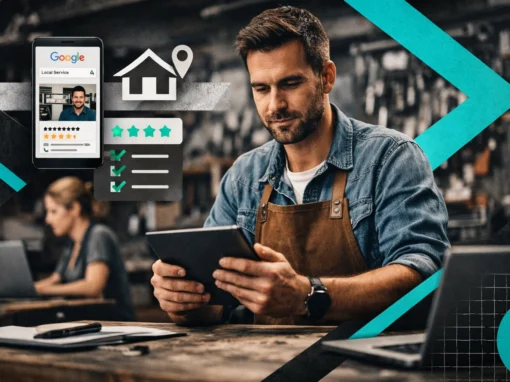
They also rely on competence bias: when a business looks organized, experienced, and capable, people naturally assume it will perform better. Clear project photos, professional communication, visible reviews, and useful educational content all make your company feel like the safer, more competent choice.
The same pattern shows up with other small businesses. A photographer shares complete galleries before someone books a session. A personal trainer posts helpful demonstrations before a client signs up. A landscaper shows the transformation instead of simply saying, “We do landscaping.”
That is the value of social media marketing for trades: it gives potential customers evidence before they are ready to buy.
How does social media help with “not yet ready” customers?
Many people who visit your website will not call on the first visit. They may be:
- Waiting for a second estimate
- Discussing the project with a spouse
- Waiting for financing
- Planning around a seasonal deadline
- Still gathering ideas
- Unsure whether the project is worth the cost
Facebook and Instagram remarketing lets you stay visible to those visitors. You can show them a relevant project photo, a review, a maintenance tip, or a reminder to request an estimate.
This is much more useful than showing the same generic ad to everyone. Someone who viewed your roofing page should see roofing proof and reviews. Someone who visited your landscaping page should see landscaping projects and seasonal availability.

What common mistakes waste advertising budgets?
Are you sending paid traffic to your homepage?
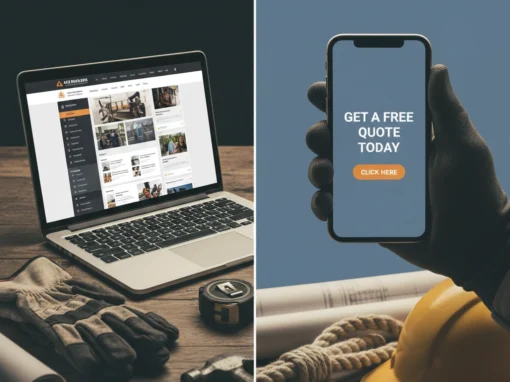
A homepage is designed to introduce your entire business. A paid ad is usually about one service, one customer, and one action.
Sending someone who clicked “roof replacement” to a homepage with eight menu options creates unnecessary work. They may not know where to go next, or they may leave before finding the right information.
A purpose-built landing page should match the ad and answer the visitor’s immediate questions:
- Do you provide this exact service?
- Do you serve my location?
- What kind of work do you do?
- Why should I trust you?
- What happens after I contact you?
- How do I request an estimate?
Read our guide on landing pages versus regular websites to see why the two serve different purposes.
Are you tracking calls?
Many trades businesses get most of their leads by phone. If your reporting only counts online forms, you may decide that a campaign is failing when it is actually producing qualified calls.
Use call tracking, campaign-specific phone numbers, and a CRM that records the lead source. Your team should be able to tell whether a caller came from Google, Facebook, Instagram, organic search, or a referral.
Are you judging every channel on the same timeline?
Google Search can produce a call within minutes. Social media often works more gradually. A person may see your project video today, visit your website next week, and request a quote a month later.
If you expect Facebook to behave like Google Search, you may shut off a useful channel too early. Conversely, if you judge Google only by impressions and clicks, you may miss the fact that it is producing profitable work.
Use the right scoreboard for the job:
- Google: qualified calls, booked estimates, and cost per booked job
- Social prospecting: qualified leads, engaged audiences, and assisted conversions
- Remarketing: return visits, quote requests, and improved close rate
What budget split should contractors use?
A simple three-stage approach works for many small businesses.
Stage 1: Get busy on Google first
When the schedule has open space, put most or all of your paid advertising budget into well-targeted Google campaigns. Focus on the services you want more of, not every service you offer.
Build the campaign around a dedicated landing page, clear phone tracking, and a process for following up quickly. The goal is to establish a reliable baseline for cost per booked job.
Stage 2: Add social at roughly 70/30
Once Google is consistently producing and your team can handle the work, allocate roughly:
- 70% to Google
- 30% to Facebook and Instagram
The exact split will depend on your margins, job type, location, and lead quality. Google remains the backbone, while social adds visual proof, future demand, and a second path to potential customers.
Stage 3: Add remarketing and review-driven content
After you have enough website traffic and customer proof, use social to remarket to past visitors and leads. Add content built around:
- Customer reviews
- Before-and-after projects
- Short case studies
- Frequently asked questions
- Project walkthroughs
- Clear explanations of your process
This stage can help lift your close rate because prospects see your business repeatedly and arrive with more confidence.
How can contractors build both channels into one system?
Google and social ads should not operate as isolated campaigns. They should move people through a simple path:
- A customer searches Google or sees your social ad.
- They visit a relevant service page or landing page.
- They call or submit a quote request.
- Their information enters your CRM.
- Your team follows up quickly.
- You record whether the lead became a booked job.
- Past visitors and undecided leads see helpful remarketing content.
That is the foundation of practical digital marketing for contractors. The goal is not to generate the largest number of clicks. It is to make your company easy to find, easy to trust, and easy to hire.
Ready to book your next 10 jobs?
If you are not sure whether Google Ads, Facebook, Instagram, or a combination makes sense for your business, start with the numbers. Look at your best job types, your current close rate, your service area, and your cost per booked job.
Funky Moose Digital helps trades businesses build advertising, landing pages, social media, and follow-up systems around real customers, not vanity metrics. Request a quote and we can look at where your next booked jobs are most likely to come from.
Key Takeaways
- Google Ads captures existing demand and usually produces faster opportunities for urgent or actively searched services.
- Facebook and Instagram create demand through project photos, videos, reviews, education, and remarketing.
- Cost per booked job matters more than cost per click or cost per lead.
- Use a purpose-built landing page, call tracking, and CRM records to measure the full customer journey.
- Start with Google, move toward a roughly 70/30 Google-to-social split once the schedule fills, then add remarketing and review-driven content.