TL;DR: Since October 1, 2026, a missed Google Local Services Ads call can be billed if it happens during your business hours and the caller stays on the line for more than 20 seconds. Check your call report every week, align your hours and ad schedule with real coverage, and set up a quick, human-sounding text-back to keep missed calls from becoming lost customers.
The direct fix is to match your ads to the times you can actually respond. Review missed calls weekly so you can see when they happen and which ones may be billable. Adjust your hours and routing, then set up a text-back to reopen the conversation quickly. A text can help save the lead, but it does not automatically remove a valid missed-call charge.
What changed with Local Services Ads missed calls?
As of October 1, Google may charge for a missed Local Services Ads call if it comes in during your business hours and the caller stays connected for more than 20 seconds. Under this rule, a caller does not have to leave a voicemail for the call to qualify as a lead. Google’s current guidance on how Local Services Ads leads work explains the threshold and how call charges are assessed.
The rule is specific to unanswered calls. If you or someone on your team answers, even after the phone rings for more than 20 seconds, the missed-call timer does not make that call chargeable. Google evaluates an answered call as a lead based on the interaction.
There are a few useful details:
- The business-hours setting matters. Google says business hours are the hours listed on your Google Business Profile. If your ad schedule is different, an unanswered call is chargeable under this rule only when it falls within both your business hours and your active ad schedule.
- A phone menu can change when the timer starts. If callers must press a key to reach the right person or department, the 20-second timer starts after the first key press. If they hang up without pressing a key, Google says you will not be charged under this rule.
- A voicemail greeting may still count as a connection. During business hours, Google says a caller who reaches voicemail or an automated greeting may be charged if they stay on the line for more than 20 seconds, even if they leave no message.
- Repeat contact is not automatically a second charge. Google generally charges once for follow-up calls or messages with the same customer, using the same phone number or email, when there has been activity within 15 days. After 15 days without activity, a new qualifying contact can create a new lead.
- Some leads may be credited later. Google may review a charged lead for up to 30 days and apply a credit if it determines the lead was invalid, a duplicate, or low quality. Check the lead’s charge status and submit feedback where appropriate; a credit is not guaranteed for every unwanted call. See Google’s information about automated lead credits.

How can you find out when missed calls are costing you?
Turn on call tracking and check the missed-call report every week. Look at the call time, whether the call was answered, its duration, and the lead’s charge status. Keep a simple note of the day and hour so you can spot patterns, such as a recurring gap at lunch, after the last technician leaves, or on Saturday mornings.
Then compare those calls with the schedule you have set in Google. A contractor may have hours listed until 6 p.m. even though the office phone is only covered until 4. A salon, repair shop, or local accountant can have the same mismatch if their online hours promise availability that the team cannot provide.
Do not look only at whether a call was charged. Track whether it turned into a conversation, an estimate, or a booked job. That wider view helps you make decisions based on lead quality and real business results, not just call volume. It’s one of the practical lead generation tips for trades businesses that applies just as well to other small businesses.
How should you set business hours and call routing?
Start with the hours when someone can realistically answer or respond. Keep your Google Business Profile hours accurate, then check whether your Local Services Ads schedule matches the times you can cover calls. If your account has moved into Google Ads, review the campaign settings there as well.
Next, test what happens to a call when nobody picks up. Does it ring a person who can help? Does it transfer to a shared line? Does the caller sit through a long menu and then reach a voicemail that sounds like the business is closed? Fix unclear transfers and outdated numbers. If voicemail is the right destination, make the message clear, brief, and easy to follow.
The goal is not to make every call go to a person at any hour. It is to avoid advertising as though you are available when nobody is there to handle the call. That helps manage potential charges and gives customers a more reliable experience.

Can a text-back help when you miss a call?
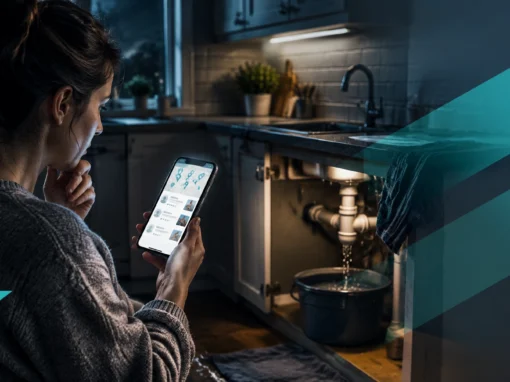
Yes. Set up an automatic text-back to go out within seconds of a missed call. Keep it short and plain-English, for example: “Sorry we missed you. What’s the job, and what area are you in?”
A prompt response gives the customer a next step instead of leaving them to guess whether the business is open or interested. That matters because people often call the next business on the list when nobody answers. A quick, useful text can keep the conversation moving while you finish a job or get back to a safe place to call.
There is a psychology benefit, too. Homeowners are choosing someone to work in their home, often when they have a stressful problem or a costly project. They want to feel emotionally safe and confident that the business will communicate and follow through. A ringing phone with no response can make a business seem disorganized; a clear text-back helps signal competence even when the team could not pick up.
This is competence bias in everyday terms: people use visible signs of organization and responsiveness to judge whether a company can do the work well. The text-back does not cancel a charge for a call that meets Google’s billing criteria. Its purpose is to reassure the customer and give you a chance to win the job. For more on quick follow-up, see our guide to improving speed to lead.
Does the LSA migration change what you should check?
Google is moving Local Services Ads into a specialized pay-per-lead campaign experience in Google Ads. The rollout is phased, so where you manage calls and how you see their status can depend on whether your account has migrated. Google’s migration guidance explains what changes and what remains in place.
Check your own account rather than assuming your dashboard looks like another business’s. Confirm where the leads report lives, how call status is shown, and whether your business hours and ad schedule are correct in the current setup. If you are preparing for the move, use this LSA migration pre-move checklist.
The same basic habits still apply: review calls, verify who receives them, and compare marketing activity with the work you actually book. For broader context on choosing channels, see Google Ads vs. Facebook Ads for contractors and what homeowners search before they hire.

What should you do this week?
Use this quick checklist:
- Open your LSA or Google Ads dashboard and find the missed-call report.
- Check which days and hours have missed calls, then review their charge status.
- Compare your Google Business Profile hours and ad schedule with actual phone coverage.
- Test the phone menu, call forwarding, voicemail, and lead notifications.
- Set up and test a brief missed-call text-back.
- Repeat the review next week and note whether the pattern changes.
These steps are useful beyond contracting. A landscaping company, auto shop, home-cleaning service, or local professional can all lose a customer when nobody answers and the next business responds first.
Get help reviewing your lead flow
If you are unsure which calls are being billed or where the gaps in coverage are, start by reviewing your reports and call setup. Funky Moose Digital helps small businesses with Google Ads, lead generation, and follow-up systems that connect advertising to real customer conversations.
Request a quote to talk through your call tracking, hours, and missed-call follow-up.
Key Takeaways
- Since October 1, 2026, an unanswered LSA call may be billed when it happens during business hours and lasts more than 20 seconds.
- The Google Business Profile hours and active ad schedule both matter; verify them in the dashboard your account currently uses.
- A required key press starts the timer after the caller presses the first key; a caller who never presses one is not charged under this rule.
- Google may credit some invalid or low-quality leads after review, often within 30 days; check the lead’s status and provide feedback.
- A fast, straightforward text-back cannot erase a valid charge, but it can help preserve trust and turn a missed call into a conversation.