TL;DR: Homeowners usually make a trust decision about your business in seconds, and most of that decision happens before they ever visit your website. If your photos, reviews, and review responses don’t make people feel safe right away, you’re probably losing work to a contractor who simply looks more trustworthy.
Why the first impression matters: People don’t compare contractors like robots. They scan your Google Business Profile, your reviews, your photos, and your overall presentation, then make a fast call on whether you feel safe, professional, and worth contacting. That quick judgment might not be perfectly fair, but it is real. If you understand that psychology, you can make simple changes that lead to better leads, better close rates, and less wasted money on traffic that never turns into jobs.
Why do homeowners make a decision so fast?
Most homeowners are not experts in roofing, plumbing, HVAC, electrical, or renovations. They usually can’t tell who has the best technical process from a quick online search. So they do what people always do when they feel uncertain: they look for safety signals.
That means they ask themselves questions like:
- Does this company look real?
- Do they seem organized?
- Would I feel okay letting them into my home?
- Do they look like the kind of business that will actually call me back?
- If something goes sideways, do they seem like they’ll handle it properly?
That’s the real first filter.
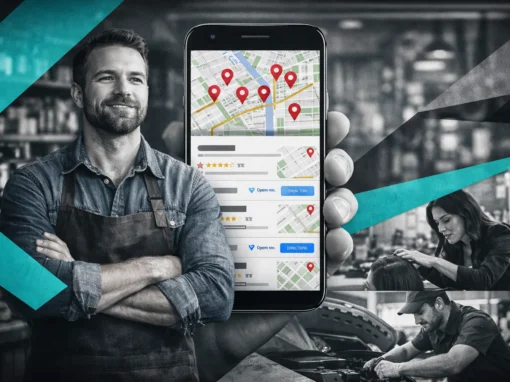
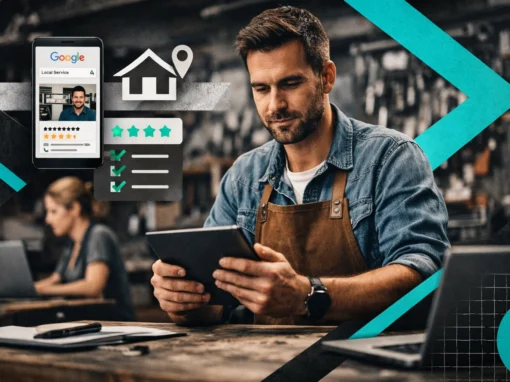
A lot of contractors think the buying decision starts when someone lands on the website. It usually starts earlier than that. Often it begins on your Google Business Profile, in your map listing, in your reviews, or even in the photos people see before they click anything at all.
That’s why this stuff matters for ROI. If a homeowner rules you out in five seconds, it doesn’t matter how good your website is, how much you spent on ads, or how solid your sales pitch is. You already lost the shot.
What creates that “gut feeling” in the first five seconds?
The gut feeling is usually built from a handful of small signals working together.
Do you look like a real business or a placeholder?
If your profile has outdated photos, no team shots, patchy reviews, or generic branding, people start filling in the blanks themselves. And when people fill in the blanks, they usually don’t give you the benefit of the doubt.
A polished, active, real-looking business feels lower risk.
That doesn’t mean you need a fancy brand shoot every month. It means your online presence should show that you are active, legitimate, and proud of your work.
Are you reducing uncertainty or adding to it?
Homeowners are not just hiring for skill. They are hiring to avoid regret.
They want to feel like:
- you’ll show up
- you’ll communicate clearly
- your crew won’t make things awkward
- the job won’t turn into chaos
- they won’t be ignored if there’s a problem
That’s why “professional enough” often beats “technically better but sloppy-looking.” The contractor who feels safer gets more inquiries.
This applies beyond trades too. A dentist, accountant, auto shop, or local law office gets judged the same way. People buy the feeling of competence before they buy the service itself.
Why do your trucks and team photos matter more than stock photos?
Real photos work because they answer the question homeowners are actually asking: “Who is going to show up at my house?”
Stock photos don’t answer that. They just fill space.
What do real photos prove right away?
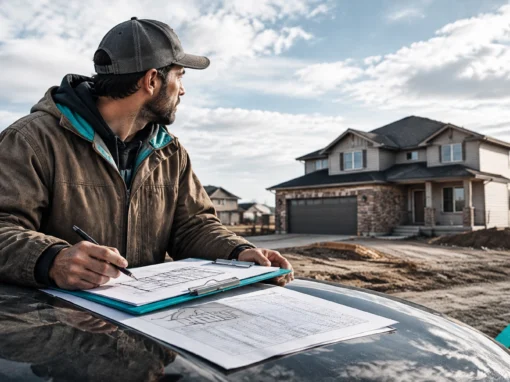
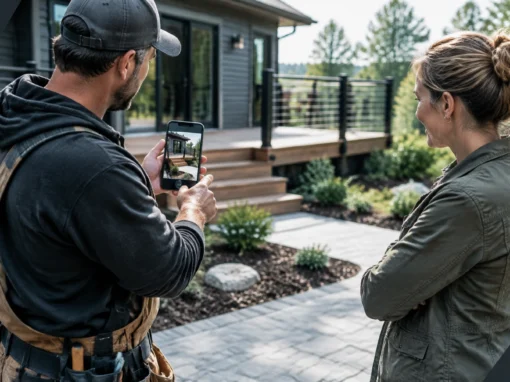
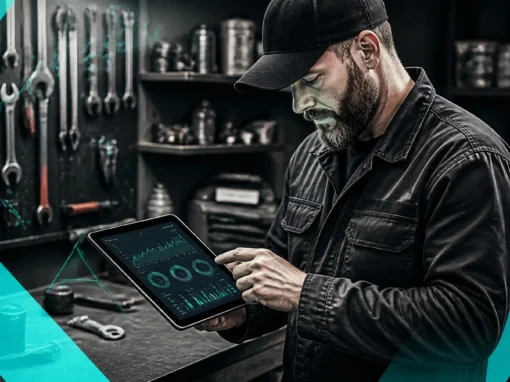
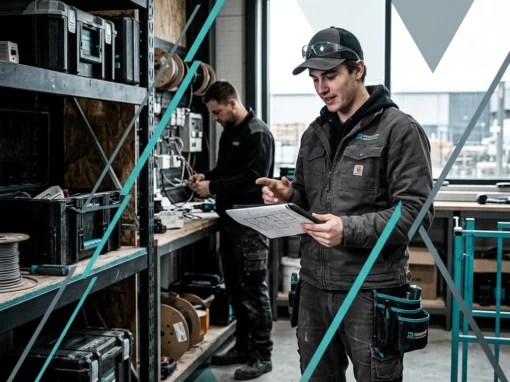
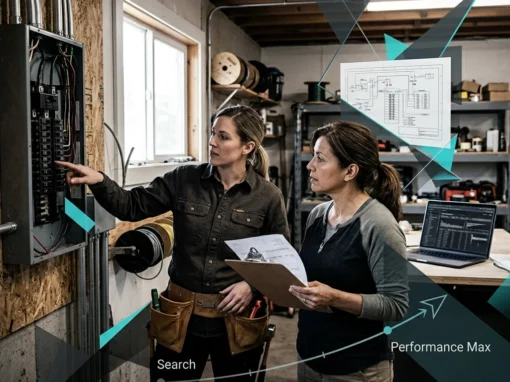
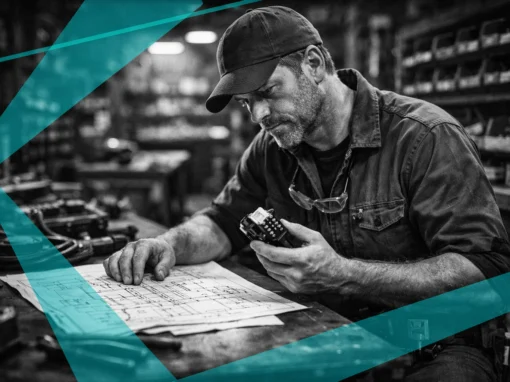
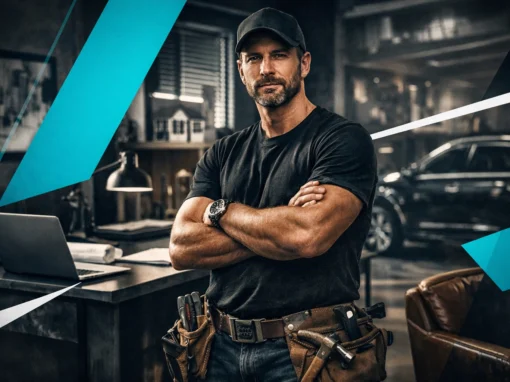
Real photos of your team, trucks, uniforms, job sites, and day-to-day work help people verify that your business exists in the real world. They show consistency. They show pride. They show that there is an actual operation behind the logo.
Useful photo types include:
- branded trucks or vans
- clean team photos
- in-progress job site photos
- before-and-after work
- photos of staff talking with customers
- shop, warehouse, or office photos if relevant
These photos create familiarity. Familiarity lowers perceived risk.
Why do stock photos hurt trust?
Stock photos are not always a deal-breaker, but they often create a quiet disconnect. If every image looks staged, overly polished, or obviously fake, people notice. Maybe not consciously, but they notice.
And once trust gets shaky, every other weakness gets magnified.
If your reviews are mixed and your photos look fake, that combination can kill response rates. If your reviews are strong and your photos look real, people are more likely to forgive small imperfections elsewhere.
That’s the no-nonsense version: authenticity converts better than polish when people are making fast trust decisions.
What should contractors actually photograph?
Don’t overthink it. Start with the basics:
Are your vehicles visible and clean?
Your trucks are rolling trust signals. If they’re branded and look looked-after, post them.
Do you have photos of the actual people customers will interact with?
People want to see faces. Not cheesy arms-crossed headshots. Just normal, solid photos of the owner, office staff, estimators, or crew leads doing real work.
Are your job sites organized?
A tidy site says a lot without saying anything. Homeowners connect cleanliness with care, safety, and professionalism.
If you want the photos to pull their weight, update them regularly. Fresh images signal that the business is active now, not just that it existed two years ago.
Why is review recency more important than review volume?
Because homeowners care more about what your business feels like now than what it looked like three years ago.
A contractor with 180 reviews sounds impressive. But if the last review came in 11 months ago, a homeowner may wonder what changed. Did the company get slower? Did service drop off? Are they even still operating at the same level?
A contractor with fewer total reviews but steady recent feedback often feels more reliable.
What are people looking for when they scan reviews?
They are not reading every word. They are scanning for patterns.
They want to know:
- Did other people recently have a good experience?
- Does the business communicate well?
- Did the crew show up on time?
- Was the job finished properly?
- If there was a problem, was it handled like adults?
That’s why recency matters so much. Recent reviews reduce uncertainty.
Does a perfect 5.0 rating matter most?
Not usually.
A profile with a few imperfect reviews can still convert very well if the feedback feels real and the business responses are calm, helpful, and professional. In fact, a spotless score with thin detail can sometimes feel less believable than a strong 4.7 or 4.8 with lots of recent, specific feedback.
The goal is not to look flawless. The goal is to look dependable.
How often should you be getting reviews?
Consistently.
You do not need a flood of reviews in one month followed by silence. A steady drip is better because it keeps sending the signal that people are hiring you right now and having a decent experience.
If you’re using ads, local SEO, or referral follow-up, this becomes even more important. Traffic works better when the proof beside your name feels current.
For contractors trying to improve lead quality, this is often a higher-ROI move than people expect. Before spending more on clicks, tighten the trust signals around the click.
How do your review responses signal emotional safety?
This is where a lot of businesses accidentally tell on themselves.
A homeowner reading your review responses is not just looking at the complaint. They are looking at your temperament.
They are asking:
- Do you get defensive?
- Do you blame customers?
- Do you stay calm under pressure?
- Do you sound like someone who solves problems or starts arguments?
That is emotional safety.
What does emotional safety mean in the trades?
It means a homeowner feels like you’ll be reasonable to deal with if something goes wrong.
Nobody expects every project to be perfect. What they want is a contractor who communicates clearly, owns mistakes when needed, and doesn’t turn friction into drama.
If your review response sounds irritated, sarcastic, or combative, people notice. Even if you feel justified, you’re still broadcasting risk.
What does a bad review response look like?
Usually it has one of these problems:
- too defensive
- too much blame
- too much detail
- too much emotion
- not enough ownership
- not enough calm
A bad response makes the reader think, “If I have an issue, this is how they’ll treat me too.”
What does a strong review response look like?
A strong response is short, steady, and professional. It acknowledges the issue, avoids public fighting, and shows that you care about resolving problems properly.
That signals maturity.
And maturity sells.
This matters in every small business category, not just contracting. Whether someone is hiring a landscaper, accountant, moving company, or physiotherapist, they are looking for the same thing: low drama, clear communication, and confidence that they won’t be trapped in a mess.
How does all of this connect back to ROI?
Simple: better trust signals improve what happens before the lead form.
If more homeowners feel safe enough to contact you, your existing traffic performs better.
That can mean:
- better conversion rates from your Google Business Profile
- stronger response from paid ads
- more calls from local search
- less wasted spend on unqualified traffic
- more booked estimates from the same number of impressions
This is one of the big misses in small business marketing. Owners often think the answer is always “more leads.” Sometimes the better answer is “make the lead feel safer before they reach out.”
That’s cheaper than constantly buying more attention.
And from Mark’s no-fluff point of view, this is where a lot of contractors leak money. They’ll spend on ads, then ignore the profile, the photos, the reviews, and the public-facing trust signals that decide whether those ad clicks go anywhere.
If your first impression is weak, you’re paying to send people into doubt.
What should you fix first?
If you want the fastest practical wins, start here:
1. Replace generic photos with real ones
Add current images of your team, trucks, jobs, and day-to-day operation.
2. Tighten up your review process
Ask for reviews consistently so your profile stays fresh.
3. Respond to reviews like a professional
Be calm, direct, and helpful. Don’t turn public responses into arguments.
4. Audit your business profile for obvious friction
Make sure your hours, phone number, service area, and business details are accurate and up to date.
5. Make sure your website matches the trust level of your profile
If your local listing looks solid but your site looks thin or outdated, you’re creating a second trust drop. Your landing pages and service pages should carry the same momentum.
Next Steps
If your Google Business Profile hasn't been updated in months: or if you're still relying on stock photos: you're likely losing jobs to competitors who look more "safe" at a glance. You don't have to be a tech genius to fix this, but you do need to be intentional.
At Funky Moose Digital, we specialize in helping trades businesses like yours fill their schedules with high-quality leads. We handle everything from managing your Google Ads to building high-converting landing pages that turn those 5-second decisions into long-term clients. We don't use marketing jargon; we just focus on getting you booked solid.
Ready to stop chasing dead-end leads and start growing your business? Let's talk about how we can make your business the obvious choice in your local area.
Key Takeaways
- Homeowners decide fast: Most people make an initial trust judgment before they ever visit your website.
- Real photos beat generic branding: Team shots, trucks, and actual job photos do more to build trust than polished stock imagery.
- Recent reviews matter more than big totals: Homeowners want proof that people are hiring you now and having a good experience now.
- Your review responses show your character: The way you respond to criticism tells potential customers whether you’re safe and professional to deal with.
- Better trust signals improve ROI: Strong first impressions help your existing traffic convert into more calls, estimates, and booked work.