
If you've ever thrown money at Google Ads, Facebook campaigns, or even good old-fashioned yard signs and thought, "I have no idea which one of these is actually bringing in calls," you're not alone. Most contractors and small business owners are flying blind when it comes to tracking which marketing efforts are filling up their schedule.
That's where a number pool comes in. It's not some fancy tech mumbo-jumbo, it's just a smart way to figure out which ads are worth your money and which ones are basically a bonfire for your budget.
What Is a Number Pool, Anyway?
A number pool is exactly what it sounds like: a group of phone numbers that your business uses to track where your calls are coming from.
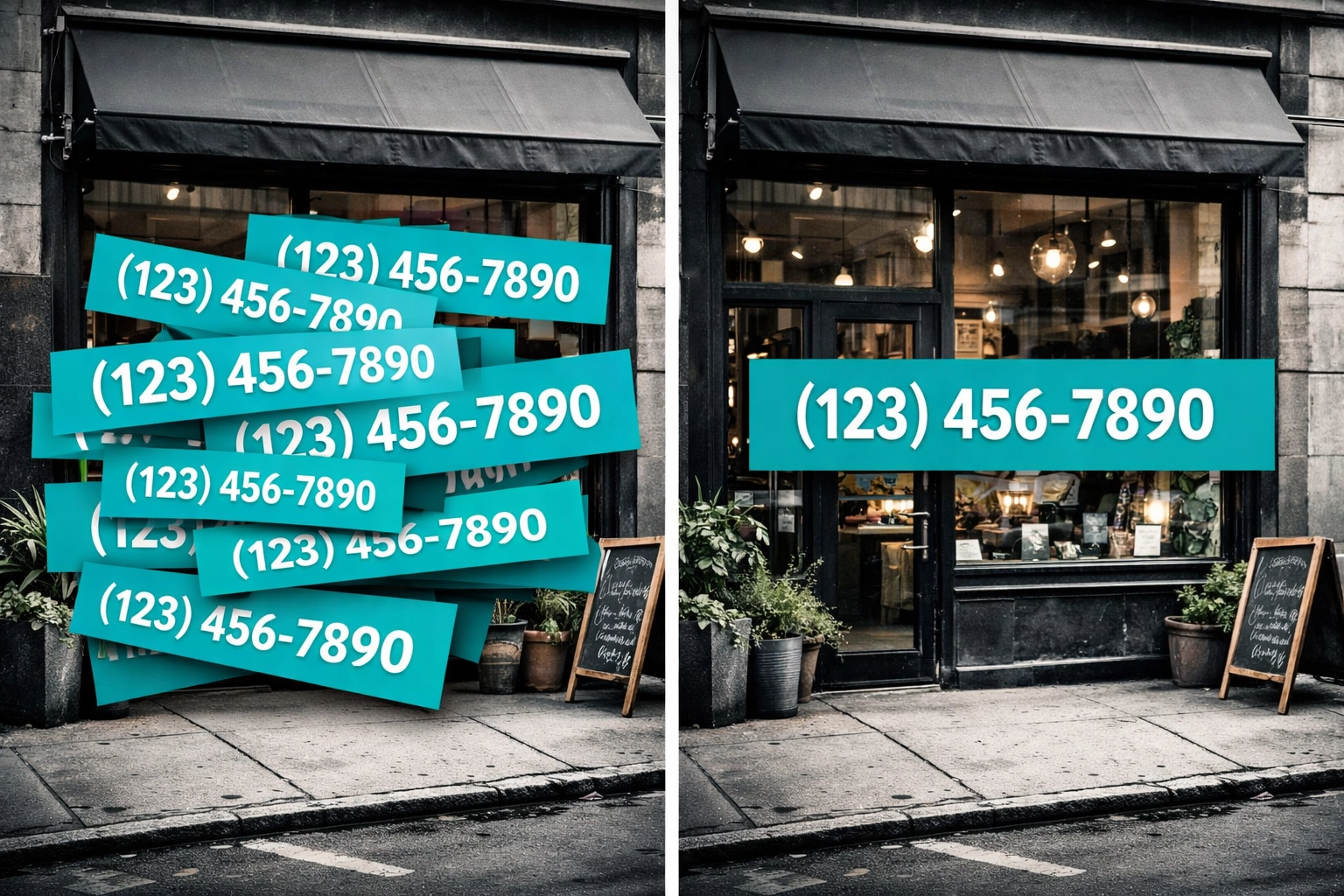
Instead of slapping your main business number on every single ad, webpage, and billboard, you use different phone numbers from your "pool" for different marketing sources. When someone calls one of those numbers, it forwards to your real business line, but you know exactly where they found you.
Think of it like this: You wouldn't use the same fishing rod for every type of fish, right? Same deal here. Different numbers for different campaigns let you see what's biting and what's just wasting bait.

How Does It Actually Work?
Let's say you're a roofing contractor running three different campaigns:
- A Google Ads campaign targeting "emergency roof repair"
- A Facebook ad promoting your spring maintenance specials
- A direct mail postcard drop in a specific neighborhood
Without a number pool, all three campaigns show your main business number: (306) 555-1234. When calls start rolling in, you have no clue whether Google, Facebook, or that postcard is doing the heavy lifting.
With a number pool, you assign a unique tracking number to each campaign:
- Google Ads: (306) 555-2001
- Facebook: (306) 555-2002
- Direct Mail: (306) 555-2003
All three numbers ring through to your main line, but now you can see exactly which campaign generated each call. If your Facebook number rings twice in three months but your Google number is blowing up every day, you know where to double down, and where to cut your losses.
Dynamic Number Insertion: The Fancy Stuff Made Simple
Now, here's where it gets really useful (and slightly cooler): dynamic number insertion, or DNI for short.
DNI automatically swaps out the phone number on your website based on how someone got there. If they clicked a Google Ad, they see one tracking number. If they came from Facebook, they see a different one. If they typed your website directly into their browser, they might see your main number.
It's all automatic. You don't have to do anything. The system just handles it in the background.
Why does this matter? Because people rarely call right away. They might click your ad, browse your site for a bit, leave, come back later from a different source, and then call. DNI makes sure you're crediting the first thing that brought them in, not just the last one.
Why Contractors Should Care About This
If you're running any kind of paid advertising, Google Ads, Facebook, direct mail, radio spots, whatever, you're gambling with your money unless you're tracking calls. Period.
Here's the thing: Most contractors aren't selling widgets online where you can track every click and conversion with pixel data. You're selling services that require a phone call or a site visit. If you can't track which ads are driving those calls, you're basically tossing cash into the wind and hoping some of it sticks.
A number pool gives you the data you need to:
-
Stop wasting money on ads that don't work. If your Facebook campaign has generated three calls in six months and none of them turned into jobs, kill it. Use that budget somewhere else.
-
Double down on what's working. If your Google Ads are ringing your phone off the hook, that's a sign to invest more there, not spread your budget thin across every platform.
-
Prove ROI to yourself (or your spouse). When you can say, "I spent $800 on Google Ads last month and it brought in $12,000 worth of jobs," suddenly that marketing spend doesn't feel so scary.
-
Get smarter over time. The longer you track, the better you understand your market. Maybe direct mail crushes it in certain neighborhoods but flops in others. Maybe your Google Ads perform better in winter. You won't know unless you're tracking.

Real-World Example: The HVAC Contractor Who Stopped Lighting Money on Fire
Let's talk about a real scenario (names changed to protect the innocent).
Dave runs an HVAC company in a mid-sized city. He was spending about $2,000 a month on marketing: $1,000 on Google Ads, $500 on Facebook, and $500 on local newspaper ads because "that's what everyone does."
His phone was ringing, so he figured things were working. But when we set up a number pool and started tracking, the results were eye-opening:
- Google Ads: 47 calls, 18 turned into booked jobs.
- Facebook Ads: 9 calls, 2 turned into booked jobs.
- Newspaper Ads: 1 call, 0 booked jobs.
That newspaper ad? Total waste. The Facebook ads were marginal at best. But Google was printing money.
Dave cut the newspaper ads entirely, scaled back Facebook to $200/month, and pumped the rest into Google. His total marketing spend dropped to $1,700, but his booked jobs went up because he was investing where it actually mattered.
That's the power of knowing where your calls come from.
What About Texts and Online Forms?
Good question. Number pools primarily track phone calls, but most modern call tracking systems also let you track form submissions, live chat conversations, and even text messages if people are texting your tracking numbers.
The goal is the same: know where your leads are coming from so you can make smarter decisions about where to spend your time and money.
Do You Really Need This?
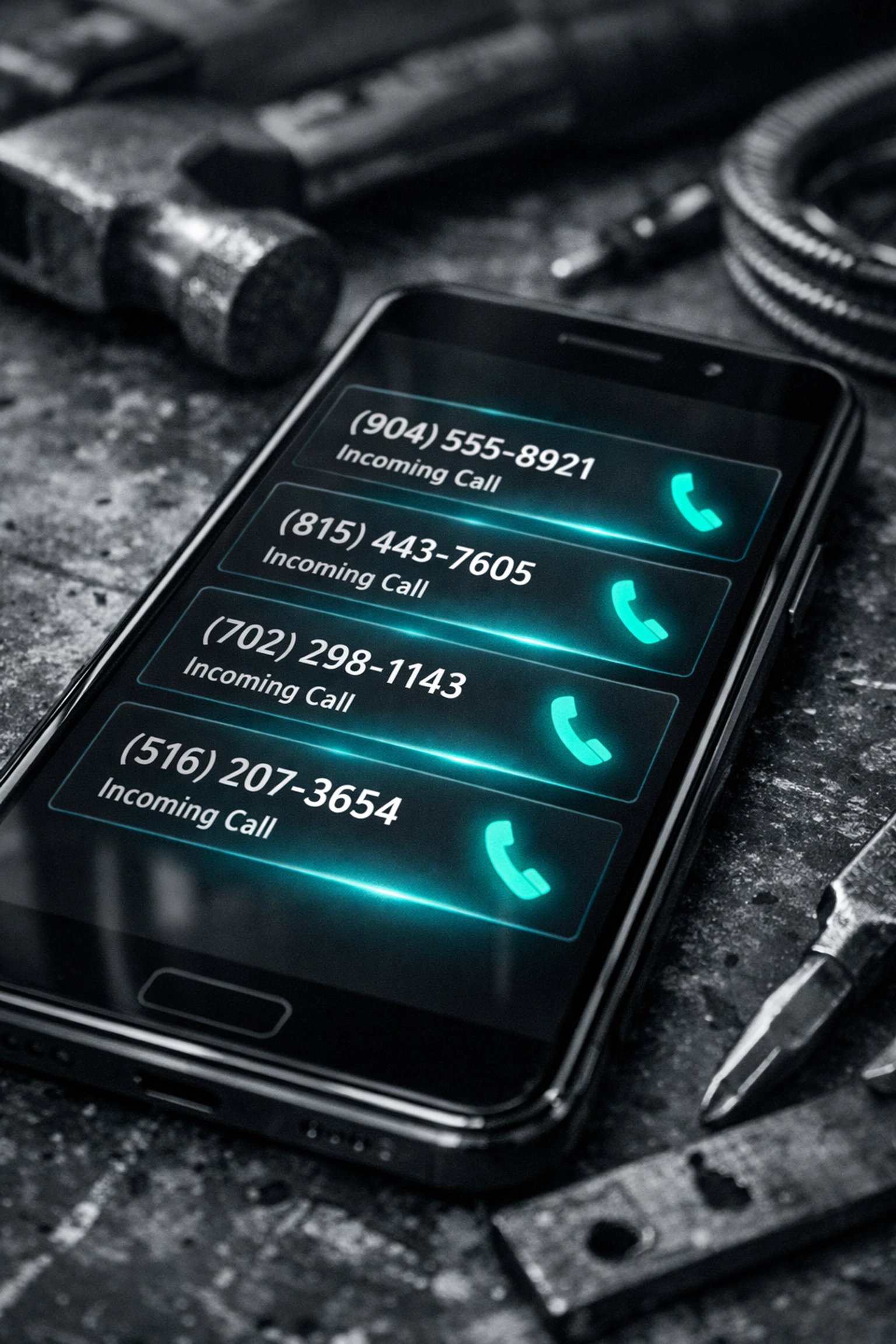
If you're spending any money on advertising, especially digital ads, yes, you absolutely need call tracking. Even if you're just doing organic marketing (SEO, social media posts, word of mouth), it's still useful to know which sources are driving the most calls.
Here's a quick litmus test:
- Are you running more than one marketing campaign at a time? You need call tracking.
- Do you spend more than $500/month on advertising? You need call tracking.
- Have you ever wondered, "Is this ad actually working?" You need call tracking.
If you answered yes to any of those, a number pool should be part of your marketing toolkit.
How Do You Get Started?
Most call tracking platforms (like CallRail, CallTrackingMetrics, or similar tools) make it pretty easy to set up a number pool. You pick your tracking numbers, assign them to your campaigns, and the system handles the rest. Most platforms also give you dashboards where you can see call volume, listen to recorded calls (if you choose to record them), and track which calls turned into actual customers.
If that sounds like too much tech hassle, that's where a digital marketing agency (like, say, Funky Moose Digital) comes in handy. We set it all up, make sure it's tracking correctly, and give you the reports that actually matter: without making you wade through a bunch of confusing data.
The Bottom Line
A number pool isn't a luxury: it's a basic business tool that every contractor and service business owner should be using if they're spending money on marketing. It's the difference between guessing and knowing what works.
You wouldn't run your business without knowing how much money is in your bank account, right? So why would you run your marketing without knowing which ads are actually bringing in customers?
Set up call tracking. Use a number pool. Stop wasting money on ads that don't work. And start investing more in the ones that do.
Your bank account will thank you.