
If you're a contractor, you've probably been pitched on at least one lead generation platform. Maybe you signed up. Maybe you're still paying for it. And maybe, just maybe, you're wondering why your phone keeps ringing with tire-kickers who ghost you after getting quotes from six other contractors.
Sound familiar?
Lead generation platforms promise an easy button for finding new customers. Pay us, they say, and we'll send jobs your way. But here's the thing: not all leads are created equal. Some platforms flood you with junk. Others charge you for every "Hey, just browsing" message. And a few actually deliver decent prospects: if you know how to use them.
Let's break down the major players: Angi (formerly Angi's List), Thumbtack, HomeAdvisor (now merged with Angi), Houzz, and Bark. We'll look at how they work, what they cost, and most importantly: which ones actually send jobs versus which ones just drain your wallet.

Angi (and HomeAdvisor): The Shotgun Approach
Angi operates like a broadcast system. When a homeowner posts a project, Angi immediately sends that lead to multiple contractors at once. You're not competing with one other company: you're competing with five or more, all calling the same homeowner within minutes of each other.
The pricing model: Monthly subscription fee, regardless of whether you get ten leads or zero. You can set preferences for specific services and zip codes, but you're paying that monthly bill no matter what.
The problem: Lead quality is inconsistent because Angi shares its lead pool with HomeAdvisor. Homeowners who visit Angi's website but don't actually sign up for membership can still have their information sold to HomeAdvisor advertisers. That means you might be calling someone who never actually requested quotes from contractors: they were just browsing.
The result? Lots of confused or annoyed homeowners who hang up on you. And you're still paying that monthly fee.
Who it works for: High-volume contractors who can handle aggressive competition and have the capacity to respond immediately to every lead. If you're a solo operator or a smaller crew, this shotgun approach probably burns more money than it makes.
Thumbtack: Pay-Per-Ping
Thumbtack operates differently. Instead of a monthly subscription, you pay per communication. Their "Instant Match" system automatically sends quotes to homeowners for job types you've pre-selected.
The pricing model: You pay for every message exchange: even if the homeowner replies just to say "no thanks." You can subscribe to automatically purchase leads at a 20% discount, but that commits you to paying for all qualifying leads based on your preferences.
The problem: Those charges add up fast. A homeowner might message ten contractors, get three responses, and hire none of them. You still paid for that interaction. And because Thumbtack automates quote delivery, you might be sending estimates for jobs that aren't even a good fit for your business.
Who it works for: Contractors who respond quickly, write compelling messages, and are selective about which job categories they enable. If you treat Thumbtack like a spray-and-pray system, you'll bleed money.

Houzz: The Portfolio Play
Houzz takes a different approach. It's less of a lead marketplace and more of a portfolio showcase that happens to connect contractors with homeowners.
The pricing model: Flat monthly subscription with no per-lead fees. You get a steady flow of leads without worrying about per-message costs.
The advantage: Homeowners on Houzz are actively browsing portfolios and only reach out to contractors whose work they've actually seen. When someone contacts you through Houzz, they've looked at your photos and decided your style matches what they want. That's a much warmer lead than someone who filled out a form and had their info blasted to every contractor in a 20-mile radius.
Houzz also offers video consultation tools directly from your profile, which can help you screen projects before investing time in an in-person estimate.
Who it works for: Contractors who do visually impressive work and can maintain a strong portfolio. If you're a basic handyman doing repair work, Houzz probably won't generate much. But if you're a custom builder, remodeler, or landscaper with before-and-after photos, it's worth considering.

Bark: The UK Import
Bark operates similarly to Thumbtack: you pay for leads and responses. The platform started in the UK and expanded to North America, positioning itself as a marketplace for all kinds of services, not just home improvement.
The pricing model: You buy credits and spend them on leads. Prices vary based on project size and competition in your area.
The reality: Bark sends your information to homeowners who may or may not be serious. You're often competing with multiple contractors, and there's no guarantee the homeowner will even respond after you've paid for the lead.
Who it works for: Contractors in less competitive markets or specialized niches where Bark has less saturation. In major metros, you're usually better off with one of the more established platforms.
The Real Question: Are Any of These Actually Worth It?
Here's the uncomfortable truth: most contractors lose money on lead generation platforms, at least initially. The platforms make their money whether you close the job or not. They're optimized for volume, not quality.
That doesn't mean they're all worthless. If you're just starting out and have zero online presence, a platform like Houzz can give you visibility and help you build a portfolio. Thumbtack can work if you're laser-focused on specific job types and respond within minutes of receiving leads.
But if you're established and looking to grow sustainably? You're probably spending too much money competing with other contractors for mediocre leads.

The Alternative: Own Your Leads
Remember when we talked about the CRM Fantastic Five? Choosing the right tools matters. But here's what matters more: owning your lead generation instead of renting it from a middleman.
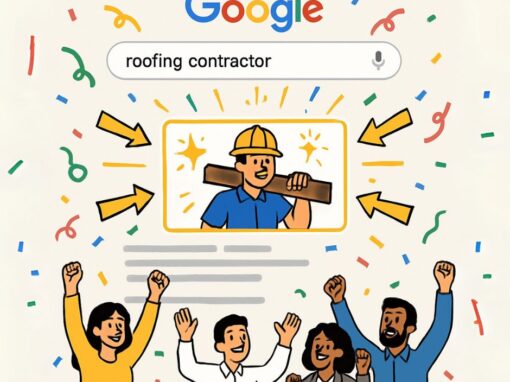
Google Ads for contractors cuts out the platform fees and puts you directly in front of homeowners who are actively searching for your services. When someone searches "roofing contractor near me" or "kitchen remodeler in [your city]," you show up. No competing with five other contractors for the same lead. No paying for messages from tire-kickers. Just targeted traffic from people who need what you do.
The difference? When you run Google Ads, the lead is yours. You're not sharing it with competitors. You're not wondering if the homeowner actually requested a quote or just got added to a list. And you're building an asset: your online presence: instead of renting temporary visibility from a platform that could change its pricing model tomorrow.
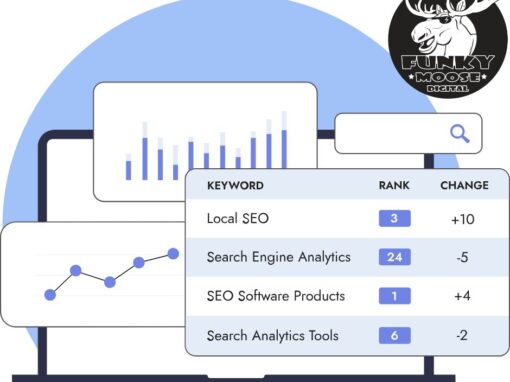
At Funky Moose Digital, we work specifically with contractors to set up Google Ads campaigns that actually convert. Instead of burning money on lead generation platforms, you invest in ads that bring qualified prospects directly to your website. You control the message. You own the relationship from the first click.
So Which Platform Should You Use?
If you're still considering a lead gen platform, here's the breakdown:
- Choose Houzz if: You do high-end, visually impressive work and can maintain a strong portfolio. The flat subscription model makes budgeting easier.
- Choose Thumbtack if: You respond to leads immediately, write compelling messages, and are selective about which categories you enable.
- Avoid Angi/HomeAdvisor if: You can't compete on speed and volume. The shared lead pool and shotgun distribution model favors large companies with dedicated call centers.
- Skip Bark unless: You're in a niche market where the platform has low competition.
Or: and here's the real advice: invest that monthly platform budget into Google Ads and actually own your customer acquisition. You'll spend less per lead, close more jobs, and build a marketing asset that keeps working for you instead of renting temporary visibility from a middleman.

Bottom Line
Lead generation platforms aren't evil. They're just expensive middlemen. For some contractors in specific situations, they make sense. But for most established businesses, they're a symptom of not having a real marketing strategy.
If you're tired of competing with five other contractors for the same lukewarm lead, it might be time to skip the labyrinth entirely. Get in touch and let's talk about how to build a lead generation system you actually own.